“The Real Cost of Megafarms” traveling photo exhibition opens in Zagreb!
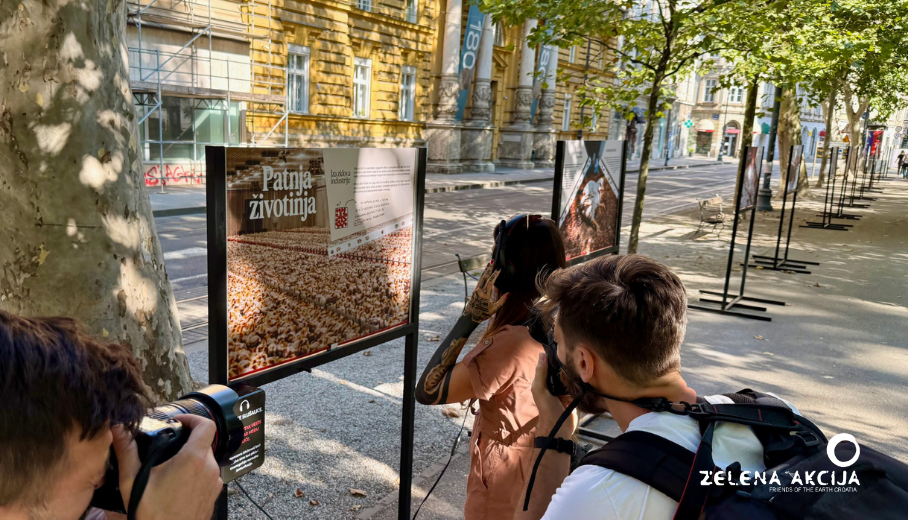
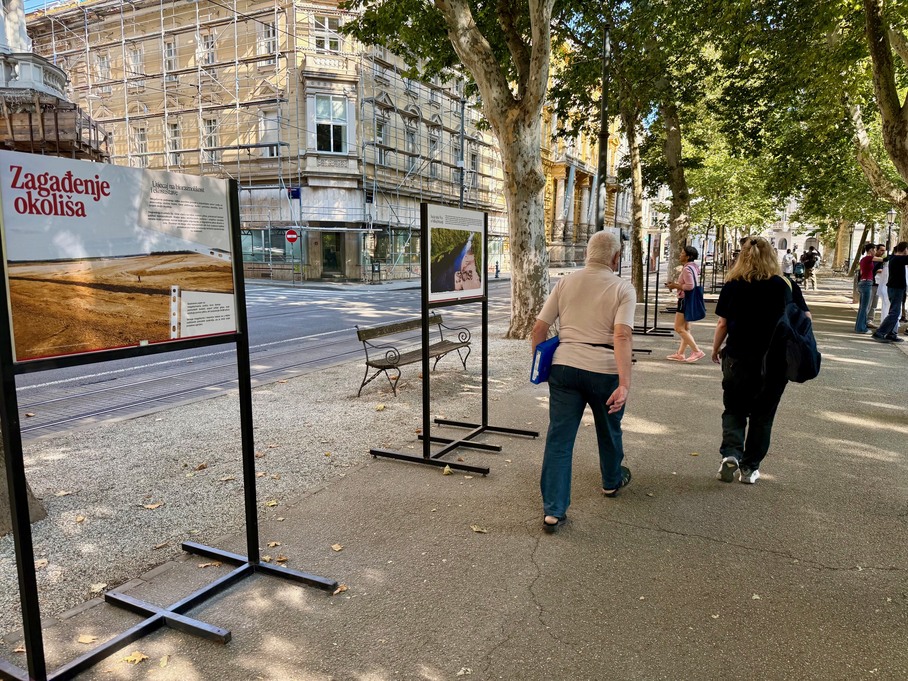
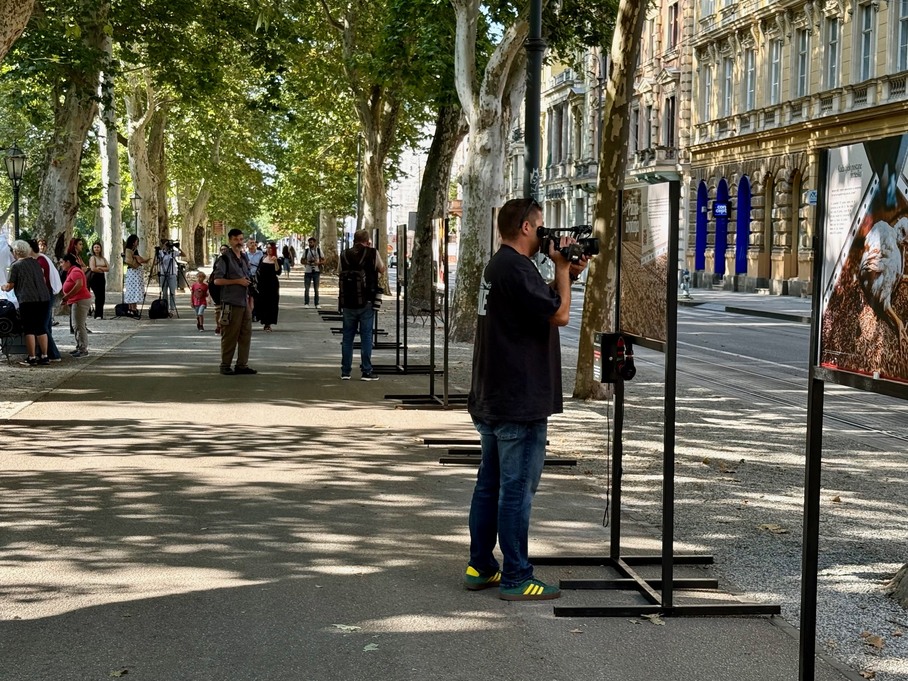
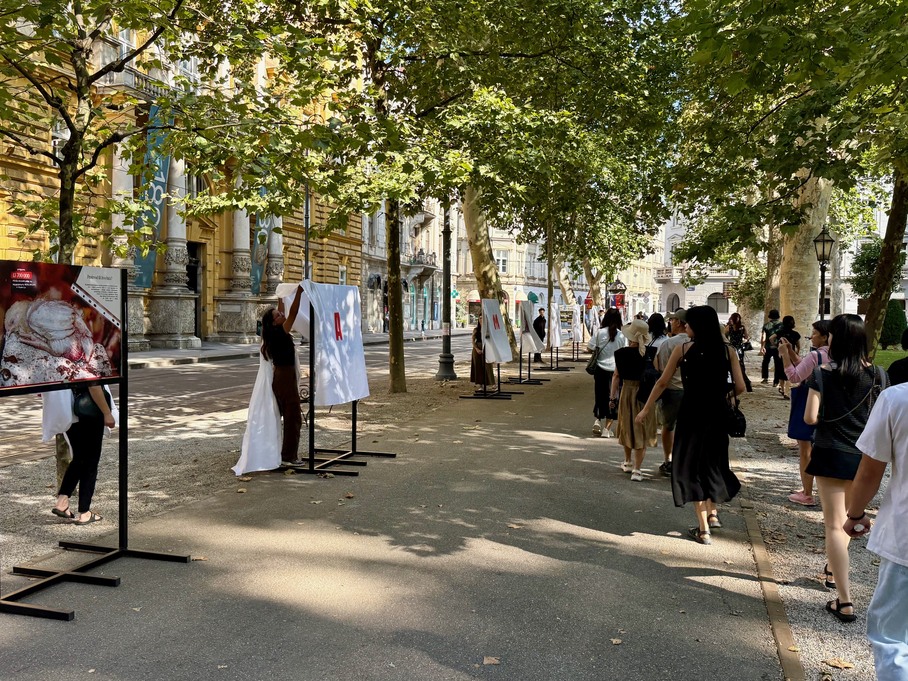
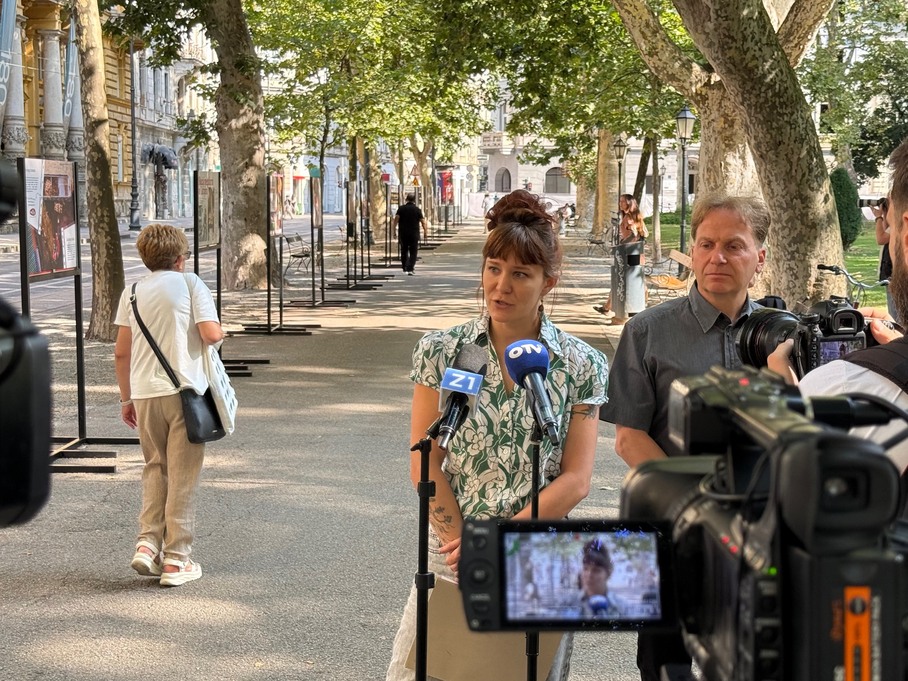
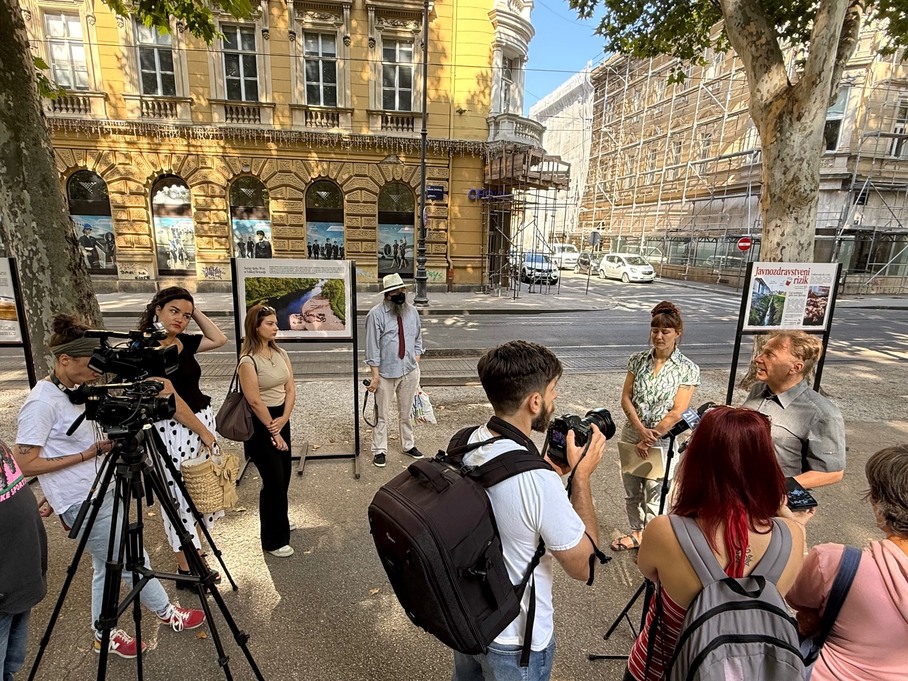
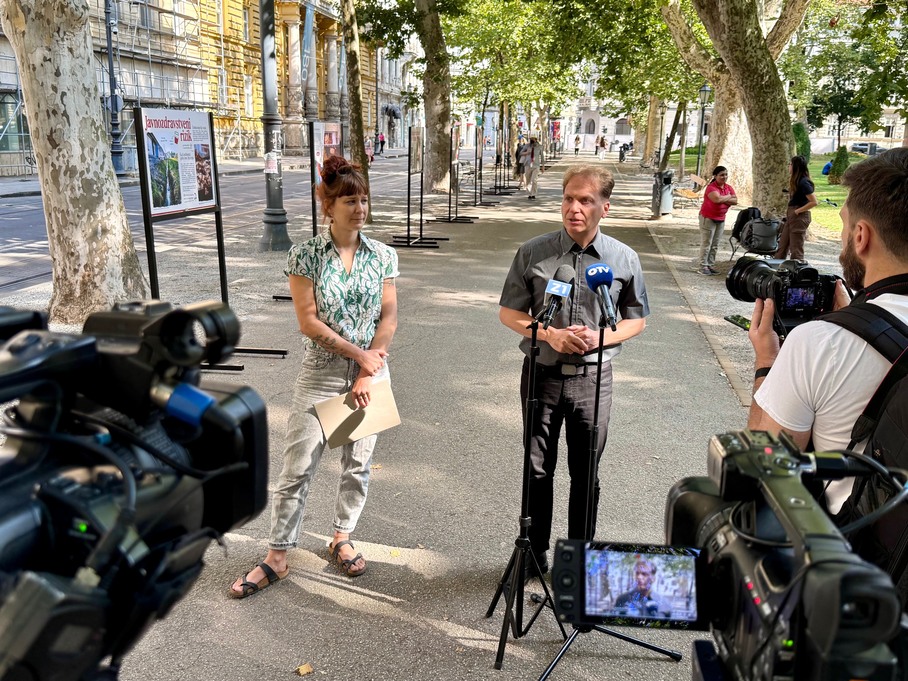
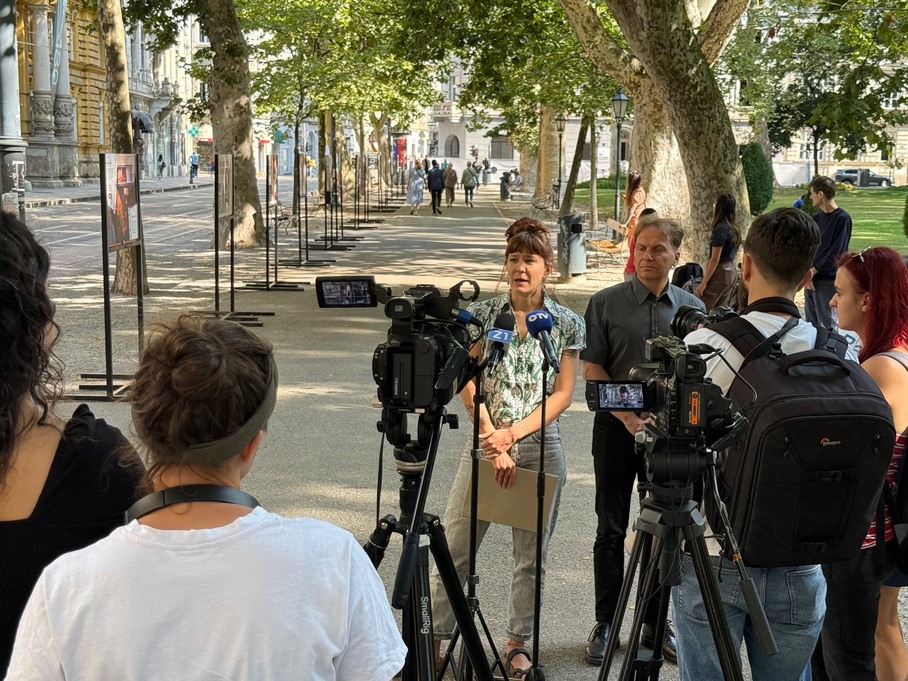
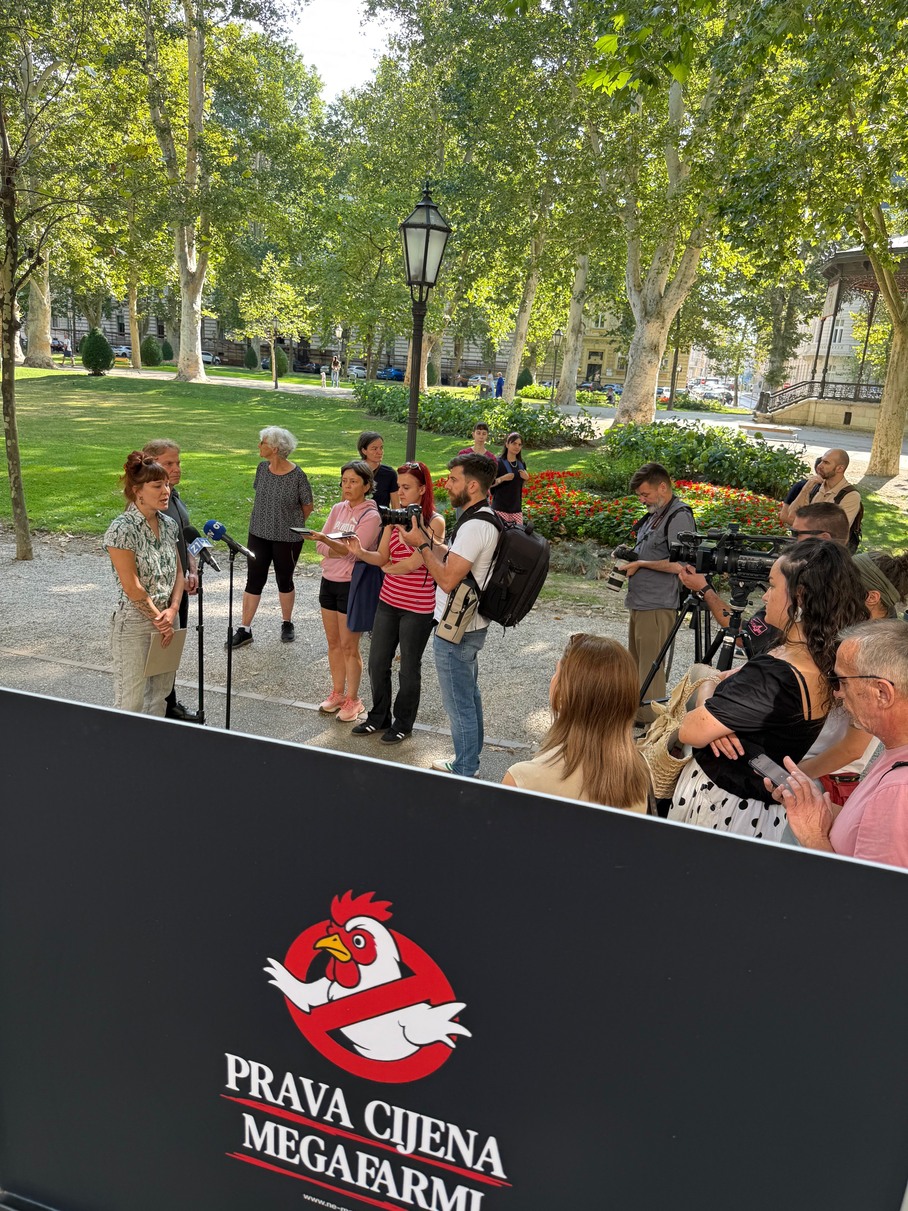
Today in Zagreb, Zelena akcija and Animal Friends Croatia opened a documentary photo exhibition that, through the lens of other countries' experiences, shows the environmental, social, and economic consequences of intensive poultry factory farms.
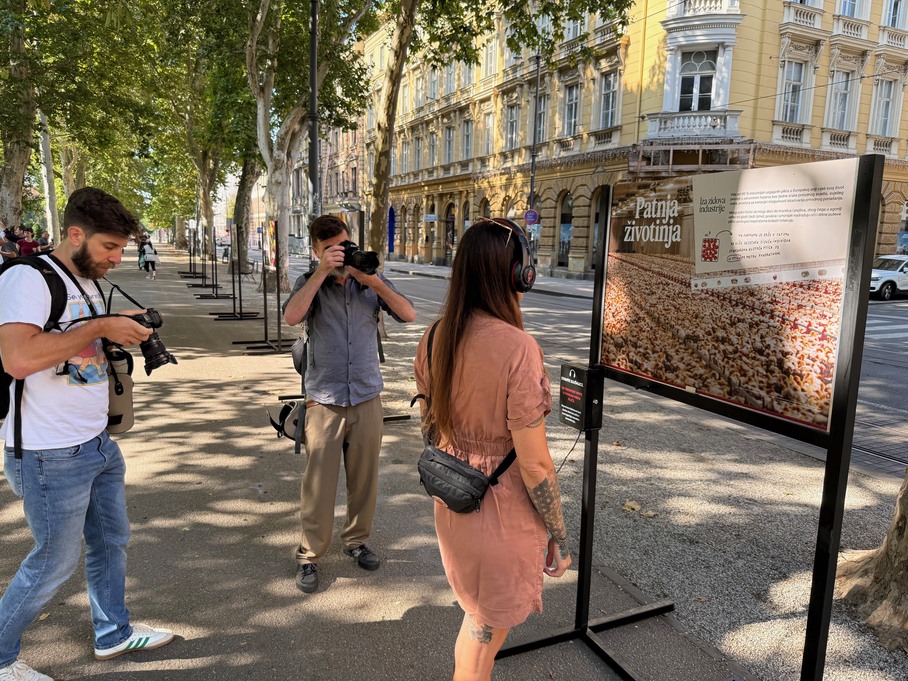
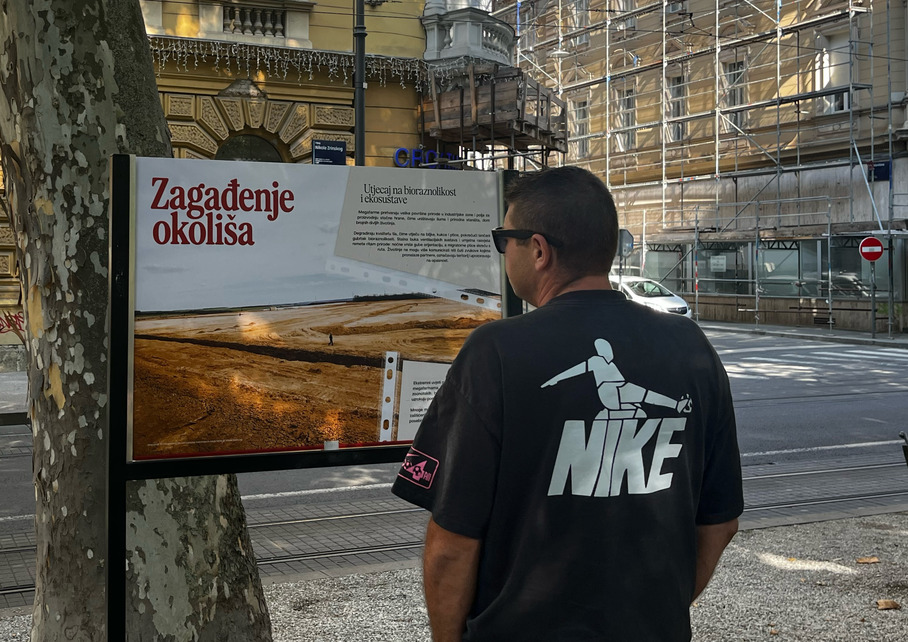
The exhibition is free to view at Zagreb’s Zrinjevac Park, along the western promenade of Nikola Šubić Zrinski Square, from Wednesday, July 22 to Tuesday, July 28, 2026. Information is also available at www.ne-megafarmama.net.
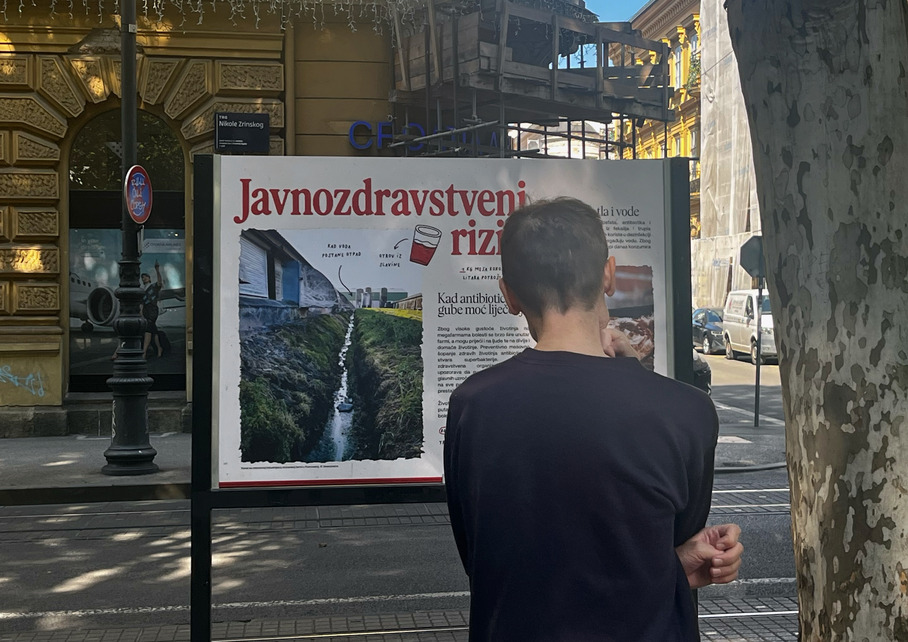
The goal of the exhibition is to inform the public and decision-makers about the challenges faced by communities across Europe living near intensive poultry complexes. Field photographs, testimonies from local communities and organizations, as well as relevant research were used to create the exhibition. Audio content accessible via headphones brings visitors closer to the reality of these facilities. The exhibition is divided into several key segments, each highlighting a specific aspect of the impacts.
“The experiences of other countries serve as a warning to us, but also as proof that our concerns and critical examination of similar projects are legitimate. Thanks to the pressure from the civic “Stop pilićarskoj eko-bombi” movement so far, half of the 24 planned poultry projects in Croatia have already been halted, projects that might have otherwise been approved without considering the risk of potential cumulative damage. We must not allow institutional inertia to open the door for projects that could permanently destroy our environment and local communities,” said Dora Sivka, president of Zelena akcija.
Photographs speak louder than words, and experiences from Ukraine, France, the UK, and other countries show that intensive poultry farming leaves severe consequences on the environment, local communities, public health, and the welfare of workers and animals. Excessive amounts of manure and chemicals from poultry complexes pollute soil and groundwater over the long term, while unbearable stench and degraded quality of life near these facilities drive down property values and cause depopulation. The mass use of antibiotics in overcrowded systems further jeopardizes public health by driving antimicrobial resistance. Extremely harsh working conditions, marked by stench, ammonia, hazardous chemicals, and constant violence against animals, cause frequent physical injuries and severe psychological disorders, such as depression and PTSD, among workers. Finally, the animals themselves, such as modern broilers bred for unnaturally fast growth, spend their short lives confined in overcrowded spaces under conditions of continuous suffering.
On behalf of the Animal Friends Croatia, Luka Oman emphasized the urgency of the situation and issued a clear demand to the authorities: “In order for Croatia, its local population, environment, workers, and animals to avoid fates similar to those shown in the exhibition, we demand that the relevant ministry immediately suspend all ongoing procedures for slaughterhouses and megafarms. We demand a strategic environmental assessment that encompasses the entire area of the planned development to realistically assess the cumulative impact on the environment, the ecological network, human health, and the economy. Failing to do so risks not only potential environmental and health damage, but also fines from the European Union for unlawfully conducting environmental and nature impact assessment procedures. Most importantly, those responsible must not act against the will of their citizens, who have clearly stated that they do not want megafarms and megaslaughterhouses anywhere in Croatia.”
After opening in Zagreb, where it will remain for viewing until July 28, the exhibition will travel to communities threatened by the construction of megafarms and slaughterhouses. The purpose of this traveling exhibition is to create a space to inform the public about the potential consequences of such intensive industrial poultry farming, and to foster dialogue and further connections among concerned citizens.
We extend our gratitude to the organizations that helped us create this exhibition and gather photos and testimonies: Eurogroup for Animals, EcoAction, Friends of the Earth Europe, Greenpeace International, We Animals, and all other colleagues from Croatia and Europe.